
Why Mining, Oil and Gas, and Industrial Operators Choose Rebuilt Engines to Reduce Lead Times

When an engine fails, timing matters. Mining operations, oil and gas sites, and industrial facilities often cannot wait weeks or months to return critical equipment to service. A down engine can mean lost production, delayed projects, idle crews, and higher operating costs.
5 Questions to Ask Before Buying a Rebuilt CAT C175 or 3500 Series Engine

Buying a rebuilt CAT engine is a major decision, especially for mining, oil and gas, and industrial equipment where downtime is expensive. Whether you need a Caterpillar C175, CAT 3500 Series, or another heavy-duty engine, the right questions can help you understand whether you are buying a properly rebuilt engine or taking on unnecessary risk.
Built to Be Rebuilt: Why Mining Truck Engines Have Multiple Lives
Caterpillar and Komatsu mining trucks are long-life machines, and their engines are part of that lifecycle strategy. In mining, oil and gas, and industrial applications, equipment is expected to work for thousands of hours in demanding conditions. A properly planned engine rebuild can help extend the useful life of that equipment without replacing the entire machine.
CAT 797F Engine Rebuilds: What Mine Operators Should Know About the C175-20
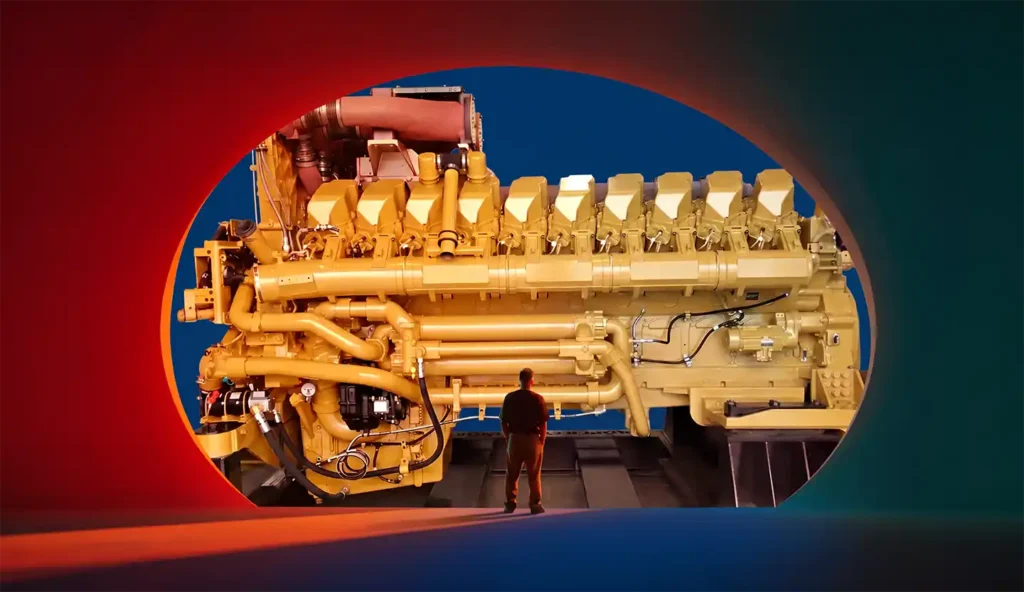
The CAT 797F is one of the best-known ultra class mining trucks in the world, and at the center of that machine is the Caterpillar C175-20 engine. This is not a standard industrial diesel engine. It is a large-displacement, 20-cylinder engine designed for high-horsepower mining applications where load, heat, duty cycle, and uptime all matter.
How Dyno Testing Protects Your Rebuilt Engine Before It Ships

A rebuilt engine should prove itself before it reaches your mine site, oil field, or industrial facility. Dyno testing, also called dynamometer testing, allows the engine to be run and evaluated before shipment. This helps confirm that the rebuilt engine is performing as expected.
Rebuilt vs. New Mining Truck Engines: Which Delivers the Better Cost Per Ton?

When a mining operation needs a replacement engine, the decision often comes down to buying new or choosing a professionally rebuilt engine. For fleets running ultra class mining trucks, that choice can affect far more than the purchase price. Lead time, equipment availability, production schedules, and long-term cost per ton all matter.
Why Engine Reliability Matters in Ultra Class Mining Trucks
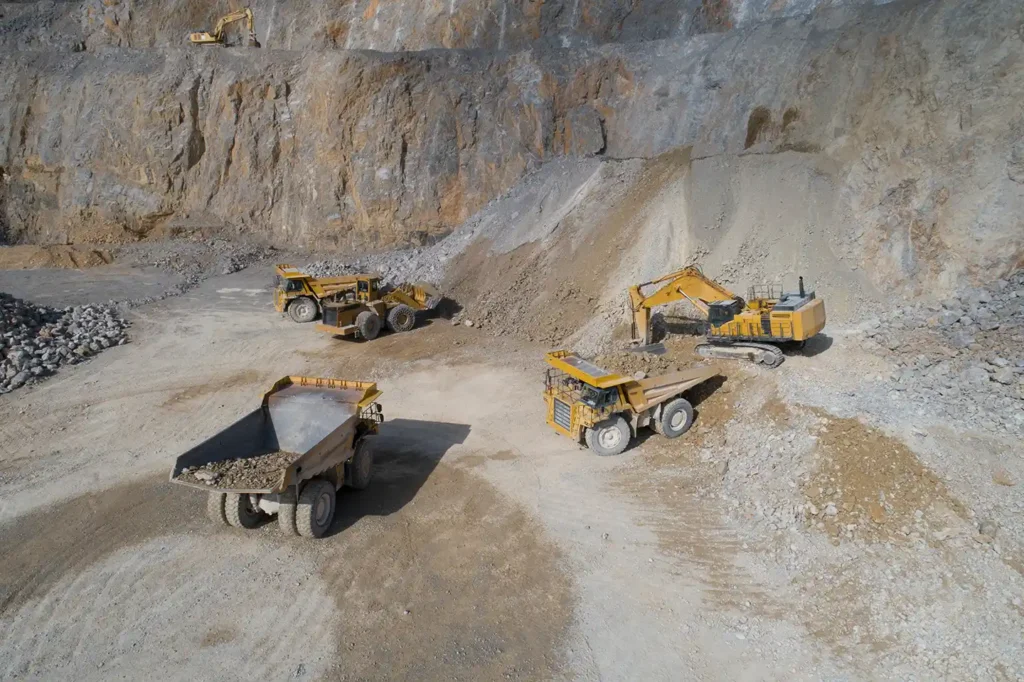
Ultra class mining trucks are built to move massive payloads in some of the harshest operating environments in the world. When a haul truck goes down because of engine failure, the impact reaches far beyond the engine itself. Production slows, maintenance schedules change, and the entire loading and hauling cycle can be affected.
What to Look for in a CAT C175 Engine Rebuild Partner

The CAT C175 engine powers some of the largest mining equipment in the world, including ultra class haul trucks. Choosing the right Caterpillar C175 rebuild partner is an important decision for mine operators, oil and gas companies, and industrial customers who depend on heavy-duty CAT power.
The True Cost of Premature Engine Failure in Mining Haul Trucks

Engine failure in a mining haul truck is rarely just an engine problem. When an ultra class truck is out of service, the mine loses hauling capacity, production plans can be disrupted, and maintenance teams may need to shift resources away from scheduled work.